
Raja Ampat Travel Guide: Everything You Need to Know Before Visiting
By Andrias Mayor · Published 24 October 2026

Raja Ampat is one of those places that looks unreal in photos and somehow even better in person. Hundreds of jungle-covered islands rise out of turquoise water at the western tip of Papua, surrounded by some of the richest coral reefs on Earth. For many travelers it is a once-in-a-lifetime trip — which is exactly why planning it well matters.
This Raja Ampat travel guide is written from the perspective of a local operator based in Waisai. Below you will find how to get to Raja Ampat, the best time to visit, what to do once you arrive, practical travel tips, and how our tour packages fit different travel styles.
Introduction to Raja Ampat
Raja Ampat — literally "Four Kings" — is a regency in Southwest Papua province, Indonesia. The name refers to its four main islands: Waigeo, Batanta, Salawati and Misool. Around them lie hundreds of smaller islands, cays and reefs scattered across a vast stretch of sea.
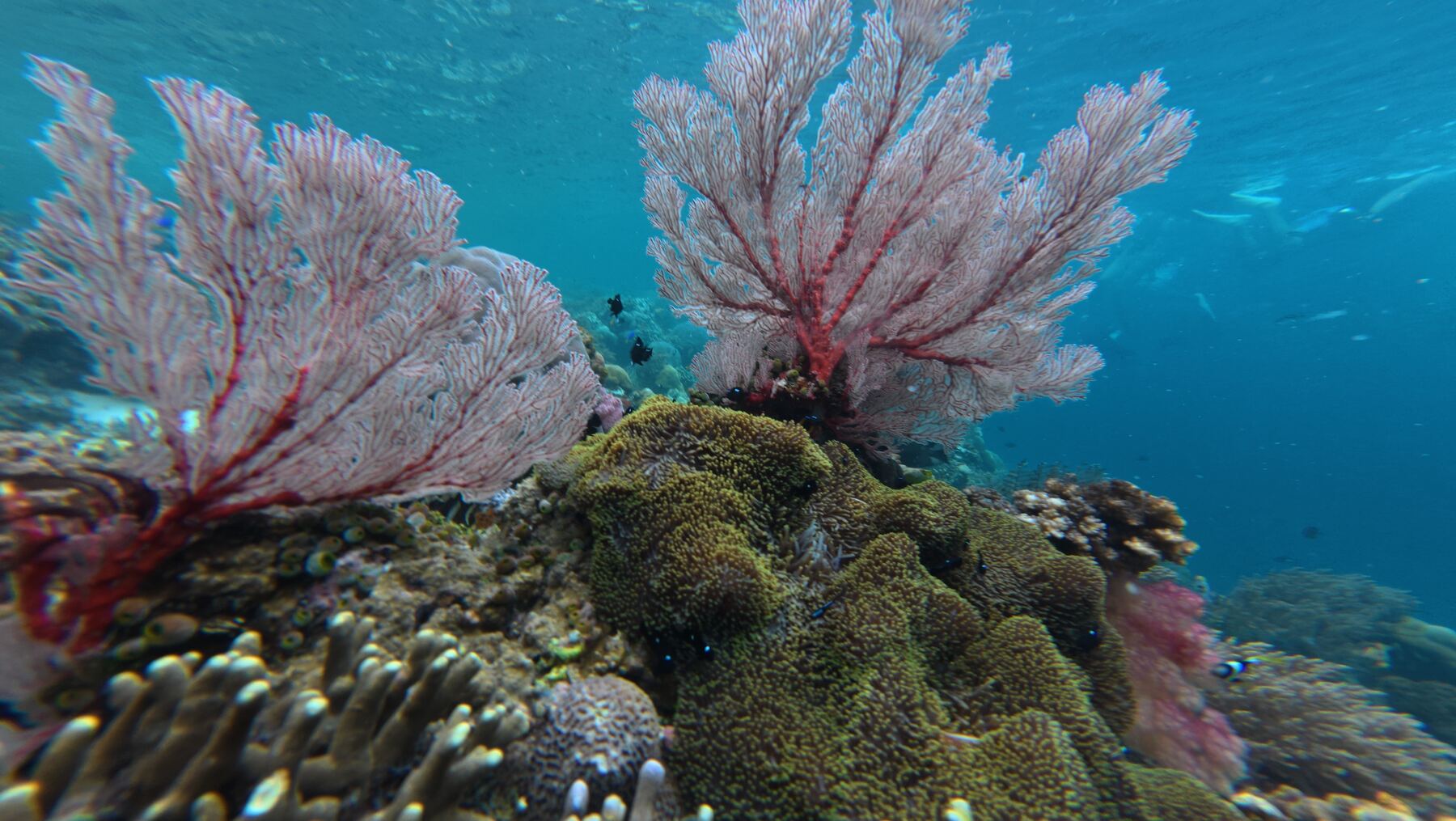
What draws travelers is the combination of scenery and life underwater. Above the surface you get limestone karst islands, hidden lagoons and white-sand beaches. Below it you find thriving coral gardens, schools of fish, reef sharks and manta rays. Add friendly village communities and simple, welcoming homestays, and you have a destination that feels both wild and personal.
Why Visit Raja Ampat?
Most visitors come for one of five reasons — and leave having experienced all of them.
- Island scenery: viewpoints like Piaynemo reveal a maze of green karst islets in impossibly clear water.
- Marine biodiversity: Raja Ampat sits in the Coral Triangle and is famous for its coral and fish diversity.
- Snorkeling: many of the best reefs start right off the beach or a village jetty, so you don't need to dive to see them.
- Diving: currents bring nutrients and big life to sites such as Cape Kri and Blue Magic.
- Local culture: villages like Arborek and Fam welcome visitors and run many of the homestays.
It is also a destination that rewards slow travel. Instead of rushing between hotels, you stay in homestays on the water, eat home-cooked meals and spend your days on a boat with a local guide.
Where Is Raja Ampat Located?
Raja Ampat is located off the northwest coast of the Bird's Head Peninsula of New Guinea, in Indonesia's Southwest Papua province. The gateway city is Sorong on the mainland. The regency capital, Waisai, sits on Waigeo Island and is the main arrival point for most visitors.
For planning purposes, it helps to think of Raja Ampat in two main areas:
- Northern Raja Ampat / Dampier Strait: Waigeo, Kri, Arborek, Mioskun, the Fam Islands and Piaynemo. This is where most first-time trips focus.
- Southern Raja Ampat / Misool: a more remote area of dramatic karsts, lagoons and caves, reached by a longer boat journey from Sorong.
How to Get to Raja Ampat
Getting to Raja Ampat takes a little effort, but the route is straightforward: you fly to Sorong, then continue by boat.
Flights to Sorong
International travelers usually fly into Jakarta (or another major Indonesian hub such as Bali or Makassar) and then take a domestic flight to Sorong. There are no direct international flights to Sorong, so plan for at least one connection and allow buffer time in case of delays. Flights are not included in our packages.
Transportation from Sorong to Waisai
From Sorong, most travelers take the public boat to Waisai on Waigeo Island. On our Dampier Strait tours, we pick you up at Sorong Airport and accompany you on the public boat to Waisai, where registration takes place. Note that public boat tickets are not included in most package prices.
For Misool trips, the route is different: you depart by private boat from Marina Jetty in Sorong directly towards southern Raja Ampat.
Traveling Between Raja Ampat Islands
There are no roads between the islands, so boats are the only way to move around. Independent island hopping is possible but costly and time-consuming to arrange. On our tours a private boat charter is included, which means your guide handles routes, timing and safety based on the day's weather and sea conditions.
Want us to handle the logistics from Sorong onwards?
See the 4D3N Raja Ampat tourBest Time to Visit Raja Ampat
Raja Ampat can be visited year-round, but based on our experience operating trips, we recommend October to May. In this period sea conditions are generally calmer, which makes boat transfers more comfortable and visibility better for snorkeling and diving.
Weather in the tropics is never fully predictable. Short rain showers can happen in any month, and wind can change sea conditions quickly. When the weather turns, we either reroute to a safer itinerary or, if necessary, discuss cancellation with you — safety always comes first.
- Book early for popular holiday periods so homestays and boats are available.
- Leave a buffer day before your international flight in case of delays.
- Divers should plan a safe interval between their last dive and flying.
Best Things to Do in Raja Ampat
Island Hopping
Island hopping is the heart of every Raja Ampat trip. A typical day combines a viewpoint, a lagoon, a beach stop and two or three snorkeling sessions. The climb to Piaynemo Viewpoint and the walk to Star Lagoon are highlights for almost every guest.
Snorkeling
You don't need to dive to enjoy Raja Ampat's reefs. Spots such as Melissa's Garden, Cape Kri, Sawandarek Jetty, Yenbuba Jetty and Fam Wall offer vibrant coral within snorkeling depth. At Manta Point you may have the chance to see manta rays from the surface.

Scuba Diving
For certified divers, Raja Ampat is a bucket-list destination. Our 6 Days Diving Tour includes 10 guided dives at sites like Melissa's Garden, Cape Kri, Blue Magic and Friwen Wall.
Exploring Local Villages
Visiting Arborek or Fam Village gives you a glimpse into island life — from handicrafts to the warm hospitality of local families. Please dress modestly in villages and ask before photographing people.
Photography and Sightseeing
From drone shots of the sandbank to underwater photos of sea fans, Raja Ampat is a photographer's dream. Viewpoints are best in the morning light, and calm water around midday is perfect for reef photography.
Recommended Raja Ampat Tour Packages
Every traveler is different, so we offer packages for different trip lengths and interests. All include accommodation, meals, a private boat and guide — check each page for the complete list.
- 4 Days 3 Nights Raja Ampat — the essentials: Fam, Piaynemo, Star Lagoon, Arborek, Kri and Blue River.
- 6 Days 5 Nights Raja Ampat — the same highlights at a relaxed pace, plus Fam Village, Mioskun and the sandbank.
- 9 Days 8 Nights Raja Ampat — Misool and the Dampier Strait in one complete journey.
- 6 Days Diving Tour — 10 guided dives for certified divers.
Essential Raja Ampat Travel Tips
- Pack light: soft bags are easier on boats. Bring reef-safe sunscreen, a hat, a rash guard, a dry bag and light rain jacket.
- Snorkeling gear: bring your own mask and fins if you have them — gear is not included in most packages.
- Cash: carry enough Indonesian rupiah. ATMs are limited outside Sorong and Waisai, and islands rarely accept cards.
- Connectivity: mobile signal and Wi-Fi are limited or unavailable on many islands. Enjoy the digital detox.
- Accommodation: homestays are simple and comfortable, built over or beside the water. Expect fans rather than air conditioning.
- Protection fee: a Raja Ampat environmental fee applies to visitors; check whether your package includes it.
- Safety: follow your guide's instructions in the water and on boats, and tell us about any health conditions before travel.
For official information about traveling in Indonesia, visit the Indonesia Travel website.
Have a question about your trip?
Ask us on WhatsAppFrequently Asked Questions
Ready to explore Raja Ampat? Discover our tour packages and start planning your adventure today.
Explore Raja Ampat Tours